Recent Posts

Aceite Vegetal: ¿Es Saludable?

Aceite Vegetal: ¿Es Saludable?

Los expertos dicen que la grasa más saludable es el aceite vegetal, por ejemplo, aceite de maíz, canola, safflower. Estos expertos también dicen, que lo peor que uno puede comer, es la comida frita. Pero, ¿qué aceite usamos para freir las papas, tortillas, y comida 

Are Vaccines Morally Objectionable for Christians?

Are Vaccines Morally Objectionable for Christians?

To compel another person to participate in a dangerous experiment is a mockery of any code of ethics.

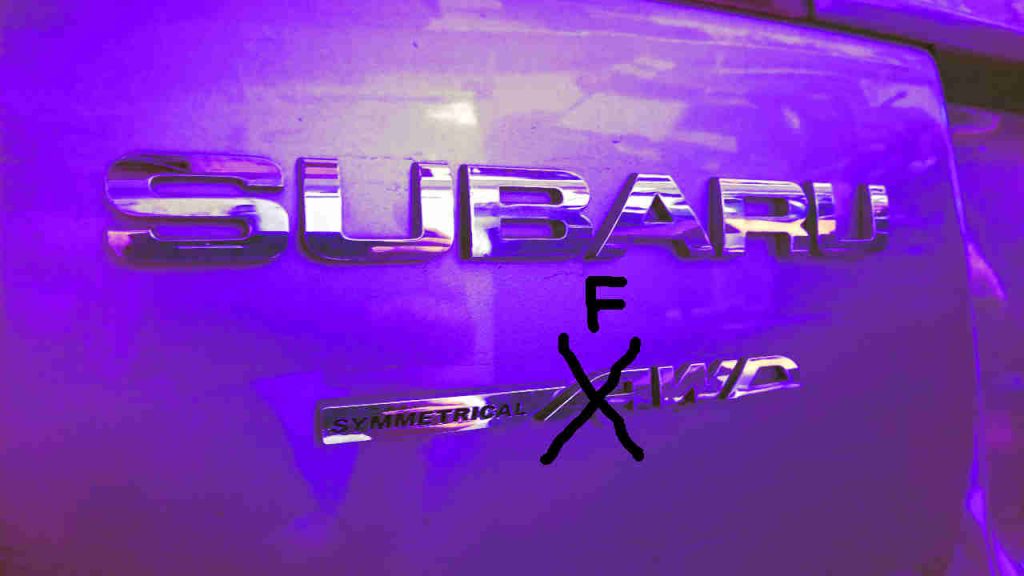
How to convert a 2010-2014 Subaru Outback to FWD. (AWD to FWD conversion, 6MT transmission, with pictures.)

How to convert a 2010-2014 Subaru Outback to FWD. (AWD to FWD conversion, 6MT transmission, with pictures.)

Why would someone choose to ruin a perfectly good Subaru by eliminating the AWD system? In my case, I had a defective center differential, which caused binding on turns. By converting to FWD, you’ll get better gas mileage, and eliminate the need to have all the tires the same size. However, this modification will greatly decrease traction and drivability! Do this at your own risk! Subaru has a 50/50 weight distribution, and is not designed to be a front-wheel drive vehicle. This project was done with a 2014 Outback, with 6 speed TY751 standard transmission. If you have a 5 speed transmission (Forester, etc), the procedure is slightly different. I used parts from Bremar Automotive. I had to wait several weeks for parts to arrive, since Bremar is in Australia, and I am in Texas.

It’s not necessary to remove the transmission! Nor is it necessary to remove any roll pins or shifter cables (except with the 5 speed transmission). The only difficult part is removing the 27 millimeter bolt on the transmission output shaft. It’s not possible to get an ordinary wrench or socket on the nut. I used a Crowfoot wrench. Let me know if you figure out an easier way. Also, removing the rear cover of the transfer case requires a soft hammer, pry bars, and patience.

Before you begin, here are some special tools you will need to complete this project:

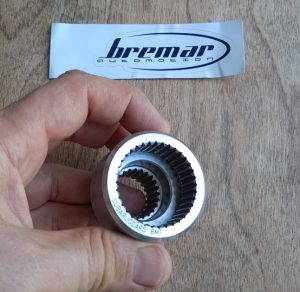
  1. A sleeve for locking the transmission output shaft to the front gearset. There are videos on how to do this by welding and cutting parts, but the sleeve makes it much easier. https://www.bremar3dscanstore.com/
  2. 27mm jumbo crowfoot wrench, 1/2″ drive. I used the Sunex 97327A https://ebay.us/PjMwL0
  3. 1/2″ drive air impact wrench.
  4. T-70 Torx (to remove the drain plug)
  5. Mosquito repellent (if you live in Texas)

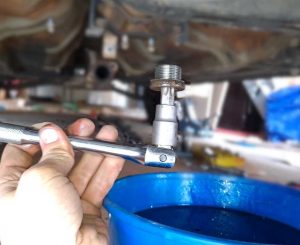
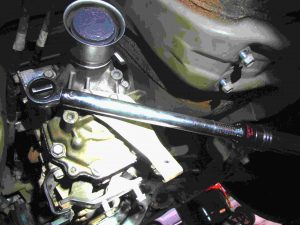
To begin, you must drain the fluid from the transmission. The transmission and transfer case share the same fluid. I will capture the fluid in a clean pan to reuse later. You’ll need a T70 Torx wrench or socket.

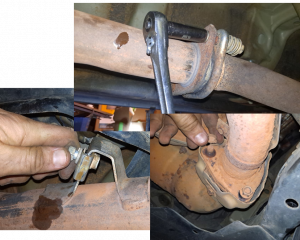
SAFETY FIRST! Make sure you’re supporting the vehicle with jackstands, or an appropriate floor jack that’s not going to fall. Remove the section of exhaust pipe that’s directly below the transmission. The anterior part (below the engine) has three 14mm bolts. The rear part has two bolts, 14mm and 12mm. In the center, there’s a single bolt.

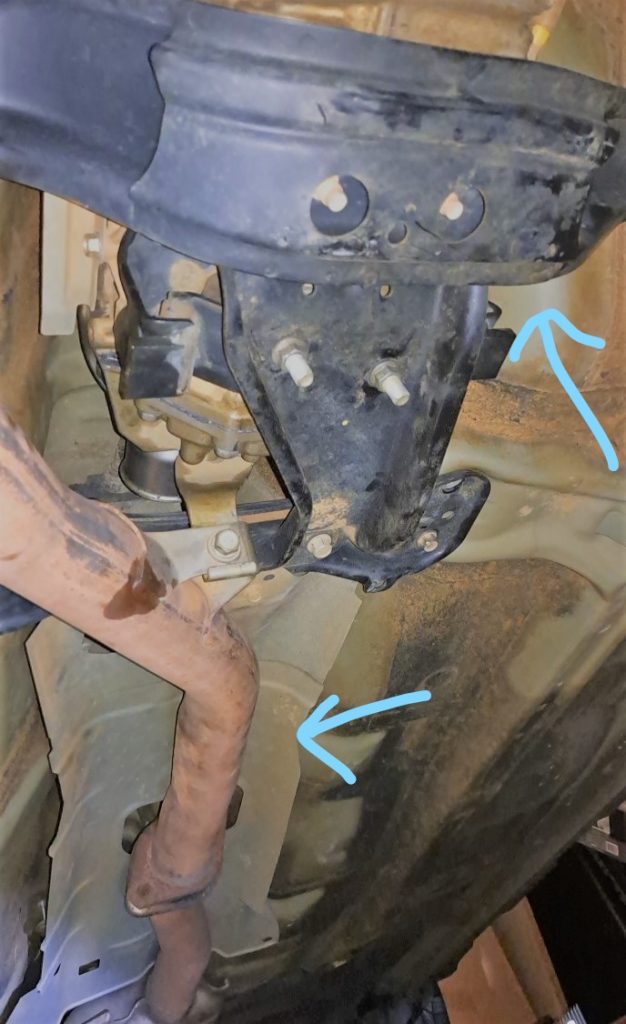
With the exhaust pipe removed, remove the brace supporting the transmission. The brace can stay in one piece, no need to separate it. Two 17mm bolts, and four 14mm bolts. Also remove the two nuts between the brace and transmission mount. This brace is connected to the shield between the exhaust pipe and driveshaft. This can all be removed together.

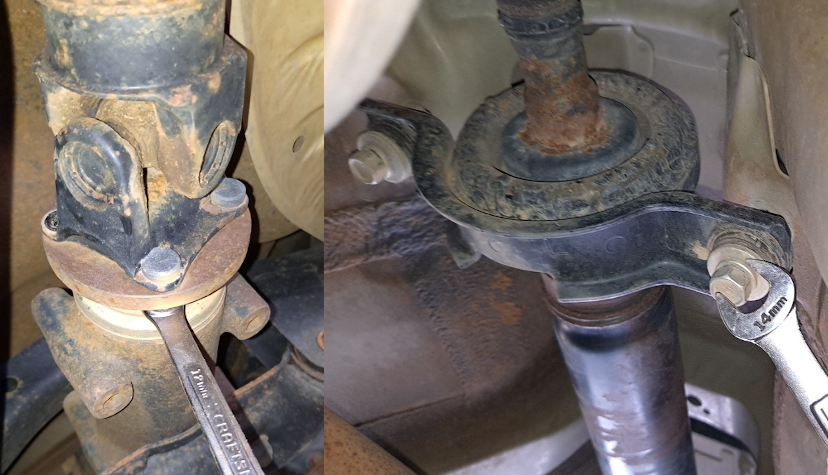
You may now remove the rear driveshaft. After this procedure is complete, the rear driveshaft is no longer necessary. The rear differential will also not be needed, however, I will leave it in for now.

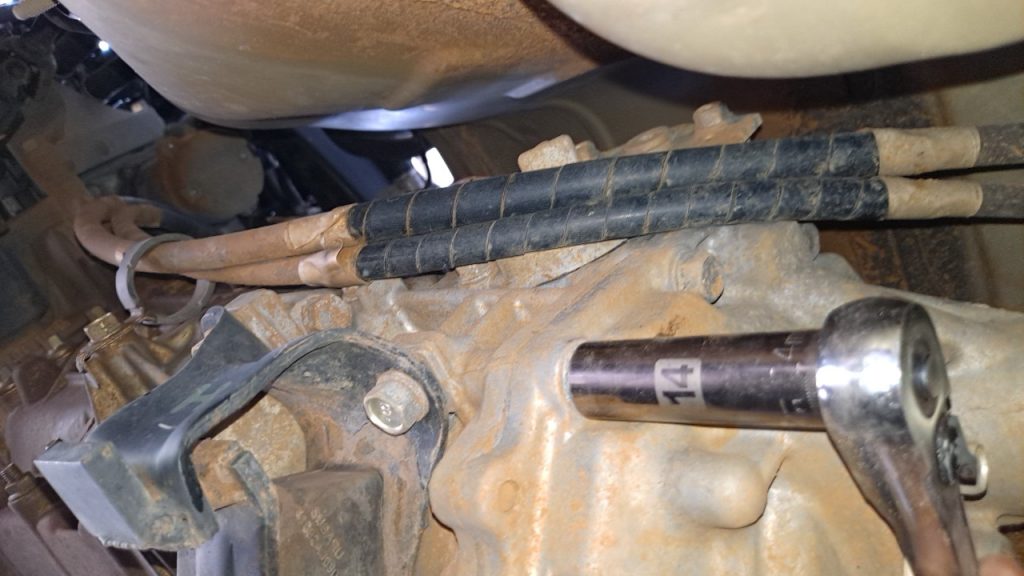
Now you may remove the nine bolts on the transfer case cover. Also move the clip holding the shift cables and move the cables out of the way. With the 6 speed tranmission, it’s NOT necessary to disconnect the shifter mechanism, or remove any roll pins. If you have a Forester with the 5 speed transmission, you’ll need to remove the roll pin and remove the shifter linkage.

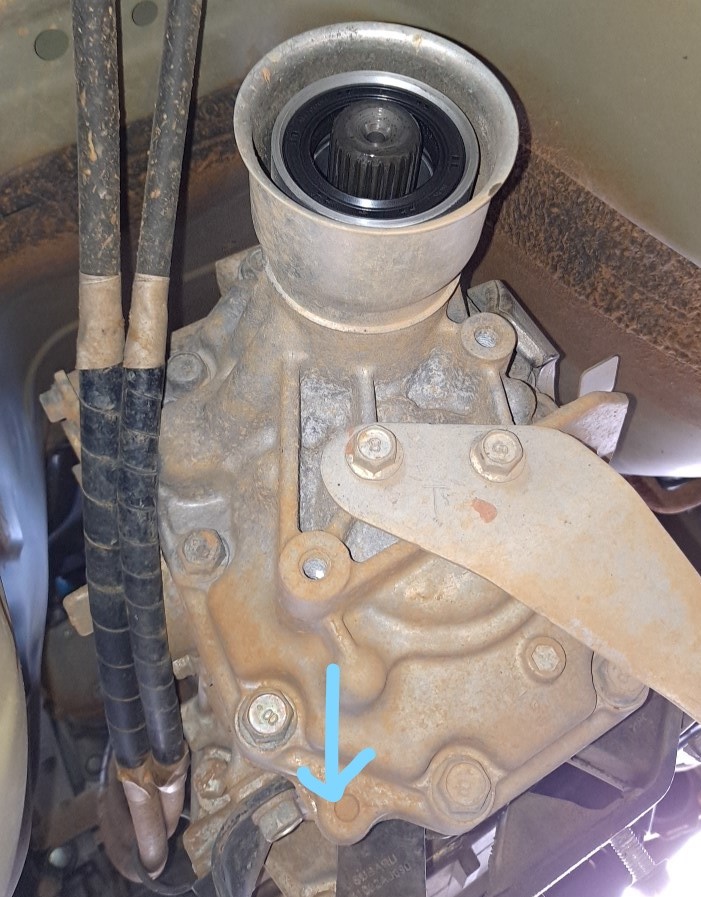
After removing all the 14mm bolts, you’ll need to use a mallet, or maybe a pry-bar or slide hammer to coax the rear cover off. There are two pins in opposite corners. Some oil will drain out when the cover comes loose. Once it starts coming apart you can use a screwdriver or pry bar, and work on the corners closest to the pins. I’ve left the shift lever in place, so you’ll need to work around it.

Centering pin in the lower left. Another pin is on the upper right (not shown).

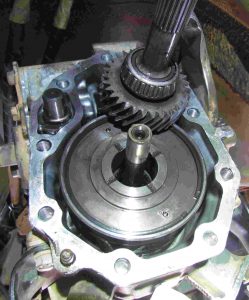
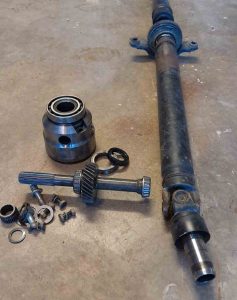
After removing the case, you will see the output shaft going to the rear axle (top right) and center differential (bottom). You’ll need to remove both of these. They should slide out easily. These will no longer be needed.

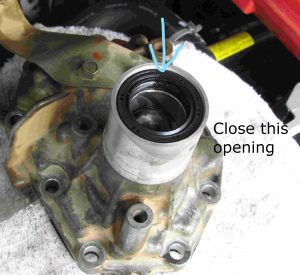
Bremar Automotive sells a custom backing plate. Without it, you’ll need to figure out a way to seal the opening where the rear driveshaft was, so that oil doesn’t leak from this hole. I removed the oil seal and found a plastic cap that was the same size, and sealed it with silicone.

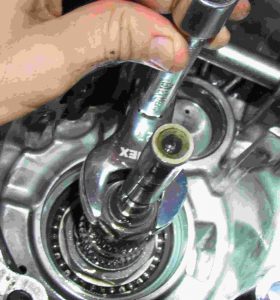
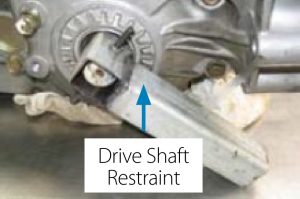
The next challenge is removing the 27mm nut on the transmission output shaft. I’m doing this with a Crowfoot wrench and a short extension. Also need a 1/2 inch air impact wrench to overcome the torque retention feature. If you have the front wheels of the car on the ground, the shaft will not be able to move. If the transmission is out of the vehicle, you’ll have to find another way to immobilize the driveshaft. Bremar recommends making a Drive Shaft Restraint.

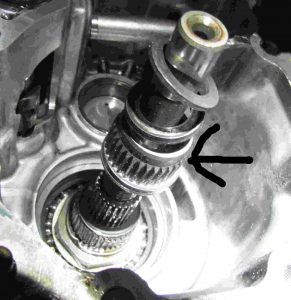
With the nut loose, remove the washers and spline adapter until you only have the transmission output spline, and the smaller spline. Insert the Bremer sleeve over these. You may need to turn the front wheels until the spline goes completely into place. Re-install the nut and a washer over the sleeve, and tighten well, using the torque retention tab. Loc Tite might be a good idea.

After removing the 27mm nut, remove this spline, and the washers.

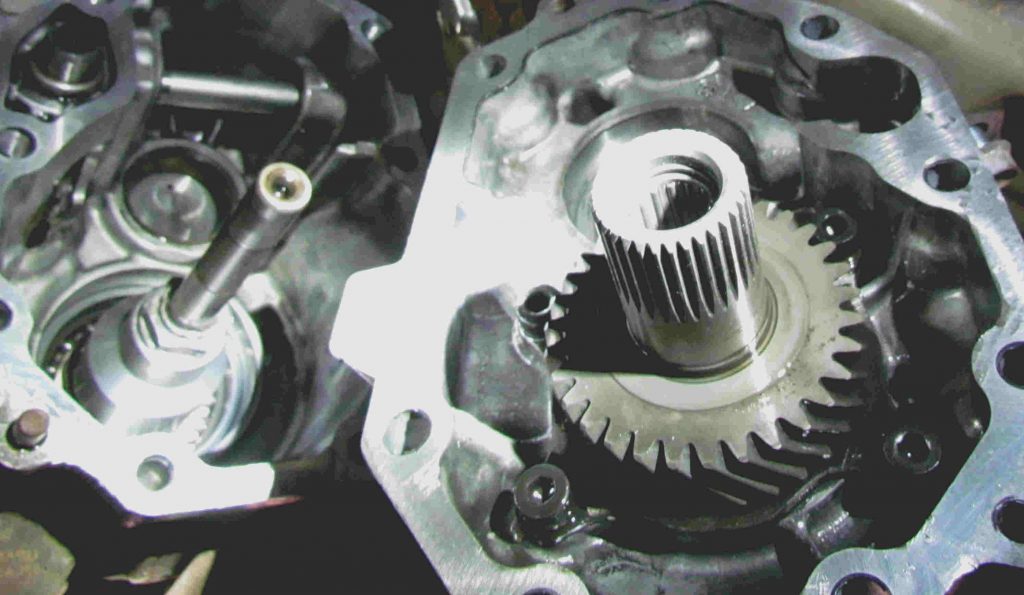
And now this is the finished product! The sleeve sends power from the transmission to the front wheels. The transfer drive gear will be left in place, but the center differential and rear shaft have been removed. We will now use oil-resistant RTV silicone to seal the rear of the transfer case.

Now you’ll need to reinstall the rear cover. The bolts should be torqued to 30 ft-lb. You can see the plastic cap I’ve used to seal the rear output shaft.

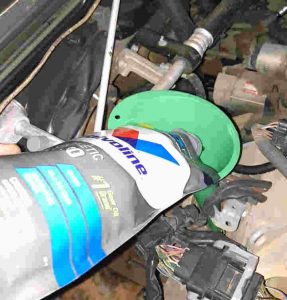
Now don’t forget to fill the transmission with fluid, and top off if necessary. Remove the air intake for easier access to the dipstick. The 2010 to 2014 manual transmission uses GL-5 limited slip gear oil, as recommended by Subaru. I’m using 75W90 fully synthetic. Make sure to use gear oil designed for hypoid gears.

Now re-install the transmission support and exhaust pipe. The following parts aren’t needed. Isn’t it nice to get rid of the extra parts that were adding unnecessary weight to your car? You can also remove the rear differential and CV axles, but leave the end of the CV axles in place to keep tension on the wheel bearings.

When you’re done, make sure to check the fluid levels.

¿Plaquenol protege contra Covid-19?

¿Plaquenol protege contra Covid-19?

El presidente Trump promovió un protocolo que involucra sulfato de zinc, azitromicina e hidrocloroquina (Plaquenol) basado en la recomendación del Dr. Zelenko, un profesional que utilizó este protocolo con pacientes con Covid-19 en Nueva York. El Dr. Zelenko desarrolló este protocolo basado en el hecho 

Covid-19 natural remedies – Where is the evidence?

Covid-19 natural remedies – Where is the evidence?

Disclaimer: Nothing contained here is medical advice. Viruses are all around us, and we constantly interact with them. We are all carrying around countless microbes, most of which are beneficial. Staying healthy isn’t about avoiding germs, but rather in being well nourished, and supporting the 

Mouse study finds toxic effects of glyphosate in the second and third generation after exposure

Mouse study finds toxic effects of glyphosate in the second and third generation after exposure

In a Washington State University study, researchers found toxic effects from glyphosate on the offspring of mice that were exposed to glyphosate during early pregnancy. Glyphosate is the most commonly used pesticide worldwide, and regulatory agencies consider it to be safe for humans.

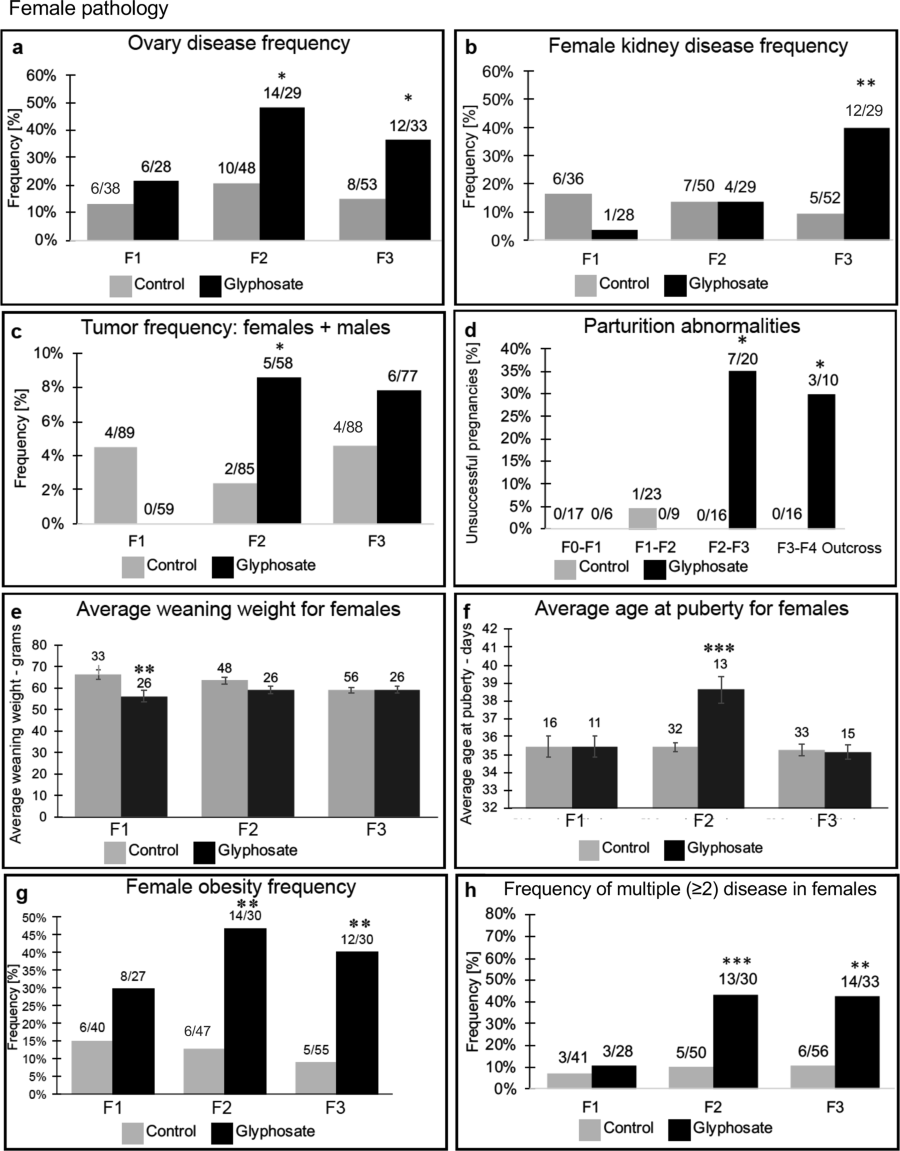
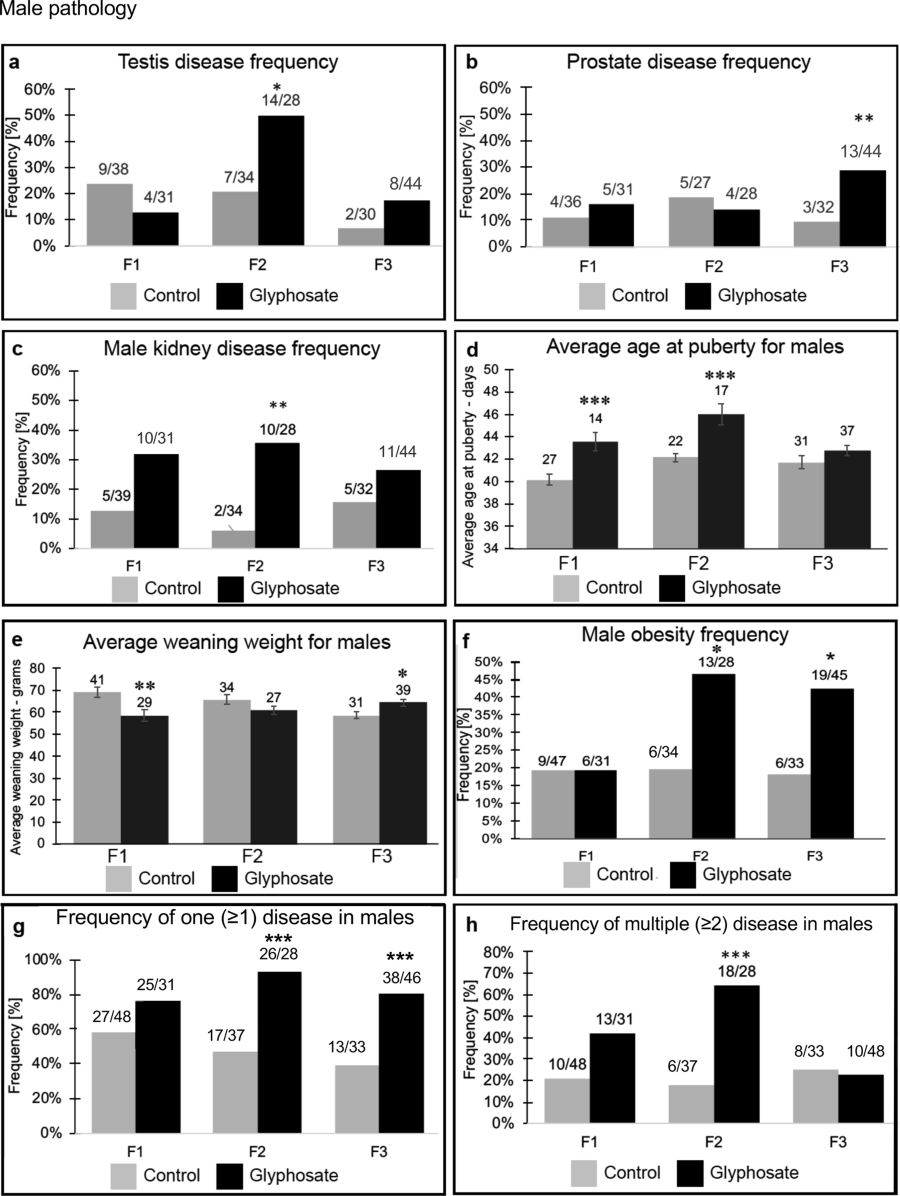
In this study, pregnant mice were injected with 25mg/kg/day of glyphosate during gestation days 8-14. This is below the level that would be expected to cause harm. The mice were followed for three generations. The mice exposed to glyphosate experienced higher levels of various diseases, including kidney disease, reproductive diseases, and obesity.

Researchers used the term “generational toxicology”, which refers to genetic changes due to alterations in factors that don’t involve mutations.

When a pregnant mouse (F0) was injected with glyphosate, effects are seen on the children (F1), grandchildren (F2), and great-grand mouse children (F3).

Sources:
Scientific Reports Volume 9, Article number: 6372 (2019)
https://www.nature.com/articles/s41598-019-42860-0

Autoimmune Disease: A Weak Immune System?

Autoimmune Disease: A Weak Immune System?

Common knowledge says that autoimmunity is an overactive immune system. In other words, “the body is attacking itself.” Not exactly. In most cases, the immune system isn’t too strong, it’s actually too weak, and becomes dysfunctional. The immune system is made up of various components. 

Do blood-thinning drugs cause heart disease?

Do blood-thinning drugs cause heart disease?

Summary: If you are taking coumadin, you may be at risk of heart disease because of vitamin K deficiency. This risk can be reduced by supplementing with certain forms of vitamin K, without adversely affecting your clotting risk. Only change your medication dose under the 

The American Heart Association vs. Coconut Oil

The American Heart Association vs. Coconut Oil

The American Heart Association (AHA) recently issued a “Presidential Advisory” which linked saturated fat with heart disease, and encouraged the increased use of vegetable seed oils. The lead author said, “…coconut oil is a fad right now — but it is actually a saturated fat, which raises your LDL.” He continues, “But the AHA has always taken the stance that saturated fat is bad and that we should be eating more plant oils, and this view is endorsed by the vast majority of nutritionists who are scientifically qualified (Hughes, 2017)”


The abstract of the advisory states: “In summary: randomized controlled trials that lowered intake of dietary saturated fat and replaced it with polyunsaturated vegetable oil reduced CVD by ≈30%” (American Heart Association, 2017).


For another 20 pages, the AHA makes a vicious assault on saturated fat, the main components of coconut oil and butter. Their basic recommendations? Eat more vegetable oil.


There aren’t many studies comparing vegetable oil intake to butter or coconut oil, but it’s fairly easy to do a diet survey and tracking the disease risks of the participants over time. This technique obviously has some flaws, since a lot of other factors contribute to disease. In this AHA study, instead of looking at all the studies comparing saturated to unsaturated fat, the AHA selected only four studies, some of which have serious confounding factors that the studies did not take into account. Here are a few:


The LA Veterans Hospital Study (Dayton, et.al. 1969)

This study compared two groups of 846 older veterans. The men were divided into two groups, and given meals at the VA Center in Los Angeles. The experimental group was given extra polyunsaturated oils, including soybean oil. The soybean oil group had fewer heart attacks and sudden deaths, but the results were not statistically significant. Some other factors might have skewed the results:

  • The experimental group had fewer heavy cigarette smokers.
  • The experimental group was consuming much more vitamin E (due to soybean oil).
  • The experimental group had a SLIGHT decrease in mortality.
  • The authors of the study attributed the fewer deaths to the increased vitamin E (α-tocopherol) in the diet of those in the treatment group.
  • What about trans-fats???


In the 1960’s, trans-fats were not known to be harmful. The amount of trans-fat (from margarine) was not taken into account, but were likely higher in the control group. The Sidney Heart Study was excluded on the basis that trans fats skewed the results, so why didn’t they exclude this study as well? Perhaps it didn’t produce the results that the AHA was looking for? The AHA concludes that the decreased mortality is a result of polyunsaturated fats, although the authors of the study attributed it to the much higher vitamin E content, which would have protected from the harmful effects of cigarette smoking, which already was lower in the experimental group!


The Oslo Diet-Heart Study (Circulation, 1970)

In this study, 412 men who previously had a heart attack were assigned to either continue their normal diet with no restrictions and no guidance, or to be assigned to a cholesterol lowering diet, which included the following:

  • Soybean oil was provided for free (which is high in vitamin E)
  • Sardines canned in cod liver oil were provided for free (high in Vitamin A and calcium).
  • Fish and shellfish were recommended.
  • Meat was to be eaten lean (visible fat removed).
  • Encouraged brown bread (wheat and rye).
  • Pure sugar was restricted.
  • Encouraged the increased consumption of fruits, vegetables, nuts, beans, and peas.
  • Margarine use was restricted.
  • Only one egg yolk per week.

A multivitamin was provided to both groups (Laatikainen, 2011)

Notes: The conclusion of the AHA: “The low saturated, high polyunsaturated fat group continued to experience reduced cardiovascular mortality compared with the high saturated fat group….” So, the experimental group was was given free sardines, free cod liver oil, got complementary nutrition advice, and the outcome was attributed to the reduction in saturated fat? This is laughable! Perhaps other factors MIGHT be involved in the results?


Other Studies Cited by The American Heart Association

The AHA also cites the British Medical Research Council study, which had no clear conclusion, and the Finnish Mental Hospital Study, which was not randomized. The AHA seems to be grasping at straws to promote vegetable oils, but the results are far from convincing.


What Fat Raises Blood Cholesterol?

Saturated fat does raise blood cholesterol, and polyunsaturated fat lowers it. At least, these are the short-term effects. Why? Because saturated fats require more of certain nutrients for our liver to metabolize. But these short-term effects do not tell us the whole story. A healthy diet contains some of all kinds of fat, both saturated and unsaturated. The category “saturated fat” includes foods that are healthy, like butter or coconut oil, or foods that are unhealthy, like lard or margarine. Our bodies need polyunsaturated fats, but only in small amounts. Vegetable oils are full of polyunsaturated fats, and they can be harmful in excess. Americans are eating more of them than ever, and heart disease is the leading cause of death.


Recent clinical trials are based on questionnaires of people who are eating unhealthy western diets. Healthy-minded Americans are less likely to be eating saturated fat, especially if they’re eating according to the AHA’s recommendations. Observations of people who are eating saturated fat in the context of a healthy diet do not show any harmful effects to the saturated fat.

Unfortunately, many studies are influenced by political forces, and conclusions typically favor food conglomerates.


Sources:

Dayton, S., M. L. Pearce, S. Hashimoto, W. J. Dixon, and U. Tomiyasu. “A Controlled Clinical Trial of a Diet High in Unsaturated Fat in Preventing Complications of Atherosclerosis.” Circulation 40.1S2 (1969).

Hughes, Sue AHA Issues ‘Presidential Advisory’ on Harms of Saturated Fat http://www.medscape.com/viewarticle/881689 09 July 2017.

Leren, P. “The Oslo Diet-Heart Study: Eleven-Year Report.” Circulation 42.5 (1970): 935-42. Print.

Reijo Laatikainen, Registered Dietitian at Lääkärikeskus Aava Follow. “Oslo Diet Heart Study.” LinkedIn SlideShare. 22 Sept. 2011. Web. 09 July 2017.

Sacks, Frank M., Alice H. Lichtenstein, Jason H.Y. Wu, Lawrence J. Appel, Mark A. Creager, Penny M. Kris-Etherton, Michael Miller, Eric B. Rimm, Lawrence L. Rudel, Jennifer G. Robinson, Neil J. Stone, Linda V. Van Horn, and On Behalf of the American Heart Association. “Dietary Fats and Cardiovascular Disease: A Presidential Advisory From the American Heart Association.” Circulation. American Heart Association, Inc., 01 Jan. 2017. Web. 09 July 2017.

Shilhavy, Brian, and Marianita Jader. Shilhavy. Virgin Coconut Oil: How It Has Changed People’s Lives, and How It Can Change Yours! West Bend, WI: Tropical Traditions, 2004. Print.

Vegetable oil availability image:

http://supplementsos.com/wp-content/uploads/2013/04/availability-added-fats.png

India oil producer image: https://upload.wikimedia.org/wikipedia/commons/5/5f/Grinding_Mustard_Seed_for_oil.jpg


Coconut Oil Is Healthy…. Now It’s Not?

Coconut Oil Is Healthy…. Now It’s Not?

Coconut oil is healthy, … Coconut oil is bad for you. Saturated fat causes heart disease… now it doesn’t? Sigh. It seems like every few days a report comes out that “proves” that saturated fat causes all kinds of diseases. What do studies really prove?