Genesis 1:16 God made two great lights—the greater light to govern the day and the lesser light to govern the night. Human cells have receptors for light (not just our eyes!) and this light tells our cells when it is day, and when it is night. During the day, certain …
Edit: sorry the photos are missing. I’m planning to migrate to a different server Fish are one of the best tasting, and nutritious snack foods. Canned fish are a convenient snack. It’s filling, and doesn’t feel heavy on your stomach. Many types of fish have …
Disclaimer: Nothing contained here is medical advice. Viruses are all around us, and we constantly interact with them. We are all carrying around countless microbes, most of which are beneficial. Staying healthy isn’t about avoiding germs, but rather in being well nourished, and supporting the innate defenses that God has given us.
Although Covid-19 is new, other coronaviruses have been around for a long time, and a plethora of research can be found about them.
Immune system: A recent study shows that lymphocyte count is the most significant marker for predicting the severity of the disease. This makes sense, given that lymphocytes increase when the immune system slows inflammation and begins antibody generation. This is why supporting dendritic cell function is so important. I’ll discuss this later. In general, the health of your immune system is the most important factor in protection against infection. Older people are more vulnerable to the flu because they are more likely to be undernourished due to poor digestion and low protein intake. Older people frequently have low levels of niacin, Vitamin D, Vitamin A, Vitamin C, zinc, and other nutrients. Low selenium levels are endemic to some parts of the world (especially central China), and increases the vulnerability to all types of infections.
Medications: Immune suppressing drugs such as steroids could increase susceptibility to infection. DON’T USE TYLENOL or Ibuprofen. These drugs may improve symptoms, but will slow your immune response to infection. Melatonin is a regulator of the immune system, and has been investigated as a treatment for Covid-19. Levels of melatonin decrease with age. If you’re high risk for infection, it wouldn’t hurt to take a moderate dose at bedtime, and a larger dose with an active infection.
Aspirin slows down clotting, and has been shown to reduce the risk of death. Omega 3 oils probably are a good idea also (REFERENCE)
Monoclonal antibodies uses an extract from the blood of those who have recovered from the illness. Blood serum contains immunoglobulins, which are antibodies.
Hydrochloroquine probably works by allowing zinc to cross cell membranes (a zinc ionophore), allowing it to get inside of cells where they block viral RNA replication. It might also interfere with the virus binding to ACE receptors. Quercetin is a bioflavanoid that also is a zinc ionophore, therefore would likely have the same effect. If you’re using either of these, make sure you take Zinc at the same time.
Vitamin C is an essential part of the innate immune system. We need moderate doses of Vitamin C for proper immune system and connective tissue health. It should be a part of everyone’s daily supplement regimen. Vitamin C has a long history of use for viral infections. Be cautious using very large doses during viral pneumonia. Extremely high doses are dangerous for certain people, so check with your healthcare provider.
Herbs: Licorice is an adrenal and liver tonic, which I’ve used for many years. It has broad-spectrum antiviral properties. It slows viral replication, inhibits viral entry into cells, and inhibits cytokine cascades. Licorice should be used cautiously during pregnancy or autoimmune conditions. For prevention, I take a combination of licorice and lomatium root extract. Lomatium is an herb used by native Americans for treating respiratory infections. It has antiviral properties, based on anecdotal evidence. I use it when I feel that I’m coming down with a respiratory infection.
Some mushrooms have alpha and beta glucans, which have a positive effect on the immune system, for most people. Lions-mane also could be used as an immune booster.
For Prevention: Dmitry Kats recommends Curcumen (from Turmeric) for balancing the gut microbiome in favor in a favorable way. Curcumen would be advisable for long-hauler syndrome. Turmeric can be found in most grocery stores, and is commonly used in Asian food as a spice.
Herbs for healing: If someone is already infected with viral pneumonia, consider herbs that modulate cytokine responses (such as Licorice, Astragalus, or Elderberry), and protect lung tissue from hypoxia-induced oxidative damage (Rhodiola), and stimulate dendritic cell maturation (the Cordyceps mushroom). Dendritic cells support the adaptive immune system. Other plants with demonstrated activity against SARS-group coronaviruses can be found here: http://stephenharrodbuhner.com/wp-content/uploads/2020/03/coronavirus.txt.pdf
Homeopathic: Many websites have been recommending certain homeopathic remedies as a preventative for Covid-19. This originated from the government of India. These recommendations are speculative, and I can’t find any credible evidence supporting their use, anecdotal or otherwise. I’ll update this if I learn more.
Other: A few studies have shown silver nanoparticles (colloidal silver) to inhibit both H1H1 and H3N2 influenza. The U.S. Navy. Bureau of Medicine and Surgery (July 1919) reported it being successfully used during the 1918 flu epidemic. Although it hasn’t been studied against coronavirus, it probably wouldn’t hurt to try.
Protocols: Here are some popular protocols used by some physicians:
A study from Bangladesh shows an 88% reduction in mortality by rinsing the mouth, nose, and eyes with a 1% solution of iodine (INSERT REFERENCE)
Dr. Zelenko popularized hydroxychloroquine, His protocol also includes zinc, vitamin D, and an antibiotic.
Paul Marik promotes the use of Ivermectrin. The complete protocol for early treatment includes mouthwash (either antiseptic, or 1% poviodine with essential oils), Vitamin D3 1,000–3,000 IU/day, Vitamin C 500–1,000 mg 2 x daily, Quercetin 250 mg/day, Zinc 30–40 mg/day (elemental zinc), and Melatonin 6 mg before bedtime (causes drowsiness). See https://covid19criticalcare.com/covid-19-protocols/
A recent study published in Lancet suggested that 1.66 grams of Arginine twice daily dramatically decreased mortality, even in patients who already had pneumonia. A larger trial is underway. Arginine is a precursor to nitric oxide.
Sources: https://www.drbrownstein.com/85-chm-covid-patients:-zero-hospitalizations-and-no-deaths/ https://www.ncbi.nlm.nih.gov/pmc/articles/PMC7096066/ The antiviral and antimicrobial activities of licorice, a widely-used Chinese herb https://www.sciencedirect.com/science/article/pii/S2211383515000799 Lymphopenia predicts disease severity of COVID-19: a descriptive and predictive study https://www.nature.com/articles/s41392-020-0148-4 Immune Antivirals, by Stephen Buhner. COVID-19: Melatonin as a potential adjuvant treatment: https://www.sciencedirect.com/science/article/pii/S0024320520303313 Selenium deficiency increases the pathology of an influenza virus infection https://www.fasebj.org/doi/abs/10.1096/fj.00-0721fje Two Easily Available Lab Markers to Identify Patients at Risk of Severe COVID-19: chrismasterjohnphd.com/covid-19/two-easily-available-lab-markers-to-identify-patients-at-risk-of-severe-covid-19-covid-19-updates, but not enough research had been done to be certain
Dr Chris Kobbe has researched the link between industrial seed oil consumption and retinal problems. According to his research, macular degeneration was unheard of before the invention of modern seed oils, and the corresponding decline in animal fat consumption. If his conclusion is correct, then …
Abnormal fibrosis can be the result of vitamin K2 deficiency, or magnesium deficiency. Vitamin D deficiency should be ruled out. Toxic levels of lead and cadmium are highly associated with lung fibrosis. Other toxin exposures are most likely a contributing factor. Paraquat, for example, is …
Overview We consider the use of hormone replacement therapy in patients who have risk factors for thrombosis due to genetic, or other risk factors. Estrogen therapy is often discouraged for those with genetic clotting risk factors due to putative increased blood clotting risk. However, the vast majority of studies looking at this connection have been cohorts of women using birth control, estrogen receptor modulators, estrogens with progestins, in vitro fertilization, or other non-natural forms of hormone therapy. Hormone therapy aimed at replacing physiologic doses of hormones has a much safer risk profile when used appropriately.
Copyright 2019 by Robert Stephens
Background Hormone replacement therapy is widely used among perimenopausal and menopausal women for symptomatic relief of menopause symptoms, and possibly reducing age-related osteoporosis and cognitive decline. Concern has been raised about the possible increased risk of thrombosis and certain hormones, and whether HRT is contraindicated in patients with risk factors.
Venous Thrombosis Risk Genetic testing allows consumers to access genetic data which may uncover risk factors to diseases. A few companies provide inexpensive saliva testing intended for ancestry use, and some websites reprocess the data to generate health reports for a small fee. Patients should be aware that these tests have non-trivial rates of errors, and the results may or may not be relevant.
With regards to thrombosis risk, the most common genetic risk factors include Factor 5 Leiden, and Factor 2 (G20210A). Additionally, MTHFR (C677T) may also lead to a hypercoagulable state, due to its influence on homocysteine metabolism.
Being (+/-) for G20210A results in a 2.8x increased risk of VTE (venous thromboembolism) compared to the general population, due to the production of excess prothrombin.
• Stroke is more likely with G20210A if a person also has PFO (Patent foramen ovale) https://www.ncbi.nlm.nih.gov/pubmed/22784820
• A poor diet may be a factor https://www.internationaljournalofcardiology.com/article/S0167- 5273(16)31861-7/fulltext and https://academic.oup.com/aje/article/175/2/114/82041
• Diet has little correlation, but drinking alcohol is protective against VTE in this questonnaire https://www.sciencedirect.com/science/article/pii/S0002870309002701
• This study says that diet is not a factor in VTE https://www.thieme- connect.com/products/ejournals/abstract/10.1160/TH11-11-0818
• Pfizer refers to the Women’s Health Initiative Study, claiming this as proof that estrogen increases risk of stroke and cancer (http://labeling.pfizer.com/showlabeling.aspx? id=132#S14.2). This seems fraudulent, because it fails to make a distinction between natural estrogen and a synthetic analog.
• If someone has already had a venous thromboembolism, oral birth control definitely increases risk of recurrent VTE. HRT might increase risk, but more research is needed. https://www.ncbi.nlm.nih.gov/pubmed/9236553 I don’t have access to the full text of this study, but presumably “HRT” refers to oral estrogen medications.
Synthetic vs. Natural
• Natural estrogen is safer than synthetic https://www.cedars-sinai.org/newsroom/study-different- hormone-therapy-formulations-may-pose-different-risks-for-heart-attack-and-stroke/
• Estrogen is anti-inflammatory, preserves the integrity of the arteries, reduces the risk of stroke, heart attack, osteoporosis, and slows progression of calcium score. https://jamanetwork.com/journals/jama/article-abstract/385577 https://www.ncbi.nlm.nih.gov/pubmed/17582069/
• Equine estrogen reduces total mortality, heart disease, and cancer risk in recently postmenopausal women https://www.ncbi.nlm.nih.gov/pmc/articles/PMC2872992/
The following research indicates that hormones increase the risk of thromboembolism:
• The Women’s Health Initiative used oral conjugated equine estrogen (CEE) plus medroxyprogesterone acetate, vs placebo. Showed a significant increase in risk of venous thrombosis in the treatment group. Factor 5 Leiden enhanced the hormone-associated risk of thrombosis, but G20210A did not. https://jamanetwork.com/journals/jama/fullarticle/199531
• The effect of high circulating estradiol levels on thrombin generation during in vitro fertilization. In vitro fertilization is a risk factor for thromboembolic complications. Supraphysiological amounts of estradiol are observed to cause decreased antithrombin, increased factor VIII, and total tissue factor pathway inhibitor (TFPI). https://www.ncbi.nlm.nih.gov/pmc/articles/PMC2804893/
• “These results indicate that ovarian stimulation for IVF may create a state of hypercoagulability” https://www.ncbi.nlm.nih.gov/pubmed/1761659
• A double-blind intervention using oral estradiol plus a progestin found that “…women who have previously suffered a VTE have an increased risk of recurrence on HRT. https://www.thieme- connect.com/products/ejournals/html/10.1055/s-0037-1614156
• In The Lancet, “The risk of idiopathic VTE is about three times higher among current users of replacement oestrogens than among non-users. However, the absolute risk is low…” https://www.ncbi.nlm.nih.gov/pubmed/8855853
• A population study done in Southern Europe found “Current users of hormone replacement therapy had 2.3 times higher risk of venous thromboembolism (95 percent confidence interval 1.0–5.3) compared with nonusers. The increased risk was restricted to the first year of treatment.” Published in 1998. [It’s not clear what type of estrogen was used] https://academic.oup.com/aje/article/147/4/387/84336
• In a study published by the American Heart Association in 2003, an intervention trial using various forms of HRT looked at resistance to activated protein C (APC), which could explain the increased thrombosis risk with hormone therapy. Groups included
◦ a placebo
◦ transdermal 17ß-estradiol
◦ oral 17ß-estradiol, or
◦ oral 17ß-estradiol plus a progestin. Resistance to activated protein C was seen in all treatment groups, but much more in groups using oral estradiol. Progestins increase resistance to activated protein C, which is considered to be a risk factor for venous thrombosis.
Evidence that hormones do not increase the risk of thromboembolism:
• “Non-orally administered estrogens, minimizing the hepatic induction of clotting factors and others proteins associated with the first-pass effect, are associated with potential advantages on the cardiovascular system. In particular, the risk of developing deep vein thrombosis or pulmonary thromboembolism is negligible in comparison to that associated with oral estrogens.” https://www.maturitas.org/article/S0378-5122(08)00204-1/fulltext
• A cohort of 489,105 women in Finland using estradiol-based hormone therapy (HT) found that, “Risk of CHD death was significantly reduced by 18% to 54% in HT users and was positively related to HT exposure time. Risk of stroke death was also reduced by 18% to 39%, but this reduction was not clearly related to HT exposure time. Risk of all-cause mortality was reduced in HT users by 12% to 38%, almost in linear relationship with duration of exposure. All these risk reductions were comparable in women initiating HT before age 60 years and women initiating HT at age 60 years or older.” https://www.ncbi.nlm.nih.gov/pubmed/25803671
• “This case-control study of older women, unselected for other thrombotic risk factors, does not support the commonly held assumption that replacement estrogen increases the risk of venous thrombosis.” Published in 1992 in the American Journal of Medicine https://www.sciencedirect.com/science/article/pii/000293439290077O
• The British Medical Journal did a meta-analysis of published studies to compare oral estrogen vs. transdermal. Various types of estrogens were used. “Meta-analysis of observational studies showed that oral oestrogen but not transdermal oestrogen increased the risk of venous thromboembolism”. https://www.bmj.com/content/336/7655/1227?eaf
• “The transdermal route of estrogen administration avoids excess venous thromboembolic and ischemic stroke events.” “…estradiol might also be superior to conjugated equine estrogens (CEE) in terms of global cardiovascular health. The most valid evidence presently suggests that CEE-only treatment does not increase the risk of breast cancer and even may reduce it.” “…a synthetic progestogen …. seems to be primarily associated with an increased incidence of breast cancer…” “Though not yet proven in a randomized, controlled trial, MHT continuously combining oral micronized progesterone with transdermal estradiol can presently be considered as the optimal MHT.” https://www.tandfonline.com/doi/full/10.1080/13697137.2017.1291607
• “…unlike oral estrogens, transdermal estradiol does not increase the risk of venous thromboembolism, probably due to its lack of effect on the coagulation cascade, including thrombin generation and resistance to activated protein C, and does not increase the risk of stroke.” https://www.tandfonline.com/doi/full/10.3109/13697137.2012.669624
• “…the use of transdermal estradiol and micronized progesterone could reduce or possibly even negate the excess risk of VTE, stroke, cholecystitis, and possibly even breast cancer associated with oral HRT use.” https://www.tandfonline.com/doi/full/10.3109/13697137.2012.669332
Summary and recommendations for an individual with clotting factor mutations
• Stay active. Don’t sit for long periods of time.
• Eat a healthy diet (the relevance of diet is disputed in the literature)
• Get frequent blood tests to evaluate coagulation risk and inflammation (ETP? INR? CRPhs?)
• Hormone replacement therapy (either static or rhythmic) would likely have benefit. However, recommend:
◦ Use only appropriate amounts of hormones.
◦ Blood testing to make sure doses are physiologic, and not excessive
Vitamin E intake is beneficial. Supplementation may be indicated
◦ Estrogen should be given as a transdermal cream, not taken orally.
◦ Bioidentical forms of hormones have a lower risk profile.
◦ In most cases, estrogen should be balanced with progesterone.
Ésta publicación está escrita para los cristianos que usan la Biblia como base de la moralidad. Creemos que la ciencia es una herramienta para aprender la verdad, pero no es un dios. No tendrás otros dioses delante de mí Éxodo 20 Confiar en un humano …
In the book of Leviticus, chapter 14, there is a reference to “leprous diseases” in a house. “If the disease is in the walls of the house with greenish or reddish spots, and if it appears to be deeper than the surface, … it is …
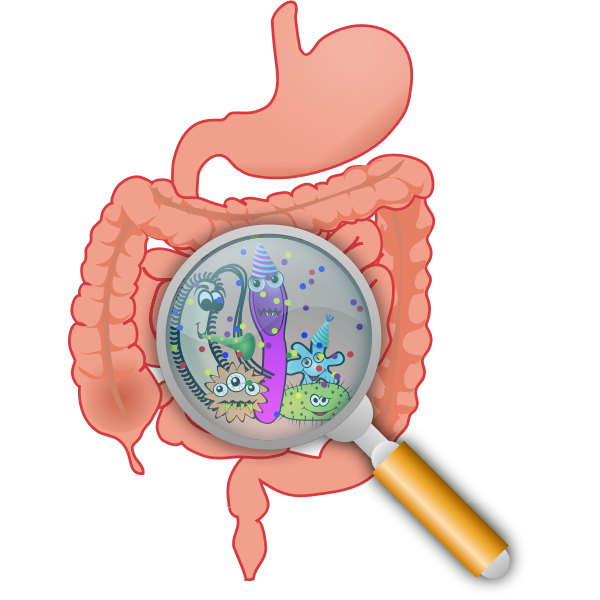
Irritible bowel syndrome is not a disease. It’s just a name given to symptoms. So if you go to doctor complaining that your bowel is irritable, they’ll give you a diagnosis of Irritable bowel Syndrome. It’s just a name for the symptoms.
Although, that’s not entirely true. There’s a test called IBSChek that can differentiate IBS. IBSChek was developed by Dr. Mark Pimmentel (a professor of Naturopathic Medicine), and looks for antibodies to Vinculin.
What is Vinculin you may ask? Vinculin is part of the Migrating Motor Complex of the small intestines. In other words, it’s part of the nerves in the intestines. So what happens is this: someone gets food poisioning (gastroenteritis). Certain bacteria produce a toxin called Cytolethal distending Toxin. (CtDT). The immune system reacts to this CtDT toxin, and the antibodies cross react with Vinculin, which is a structure in your small intestines. So this could also be called “Post Infectious IBS”. If there’s not proper motility of the cells lining the small intestine, this will often lead to SIBO, or small intestinal bacterial overgrowth. That could lead to bloating, diarrhea, etc.
So, ask your doctor to test you for Vinculin antibodies. If you have vinculin antibodies, then your IBS should be treated like an autoimmune condition. This would change the treatment protocol somewhat.
Food allergies can play a role in IBS. I don’t put a lot of faith in food allergy testing because the results can be very unreliable. If you’re allergic to a lot of different foods, then it just means that you have a lot of intestinal inflammation, and you might need to be on a gut-healing protocol for a while.
One of the things that’s changed dramatically in our diet in the last 150 years is the types of fats we’re consuming. Modern seed oils create imbalances in omega-6 to omega-3 ratio, and do not provide arachadonic acid in adaquate quantities. Arachadonic acid is a precursor to prostaglandins, which regulate the inflammatory process. Although most prostaglandins are considered to be “pro-inflammatory”, it’s more correct to say that prostaglandins regulate inflammation.
A diet that’s low in Arachadonic acid can cause disregulated gut inflammation, especially if there are other inflammatory triggers present. This is also why I encourage people NOT to take anti-inflammatory medicines such as Ibuprofen. NSAIDS, and most other pain medications block inflammation by blocking these prostaglandins, but can interfere with prostaglandin signaling, prevent the resolution of inflamation. This is likely one reason for the increase in food allergies.
There are a lot more chemicals in our environment than ever before. From GMO grains, herbicides, thickeners, plastics, medications, and poor quality foods. Chemicals cause imbalances in hormones, and disrupt gut bacteria.
Small intestinal bacterial overgrowth (SIBO) is very common in IBS. And a stool test is not going to tell you whether or not you have SIBO. If you have IBS, you can assume you have SIBO. SIBO is a form of disbiosis; and treating disbiosis will help the symptoms of IBS. A stool test such as the CDSA can also rule out other possible causes for your IBS such as parasites, enzyme insufficiency, poor gallaladder function.
Are you chewing your food completely before swallowing? Do you eat too quickly? Addressing the stomach should be #1 on the list, because if your stomach can’t do its job well, it will affect everything below it. Eat slowly, and chew your food well. Take a bi-phasic digestive enzyme. Use digestive bitters. When we’re under stress, digestion takes a back-seat to the stress response. This results in the stomach not producing enough acid. With insufficient stomach acid, proteins are not properly digested, and these un-digested proteins are fermented in the lower intestinal track, resulting in bloating, discomfort, and inflammation. Make sure you stay well hydrated, with water and electrolytes. You need plenty of salt to make stomach acid.
Consider the low-FODMAP diet. FODMAPS are starches that are healthy, but can feed pathogenic bacteria. This will eliminate a lot of healthy foods, but it might be necessary in the short term until symptoms improve.
Eliminate foods that make you feel worse! If you have an allergy to a food, you’ll have to remove it, at least in the short term. When you get some resolution of symptoms, re-do the allergy test, and the results will be more accurate. Grains contain lectins which are hard to digest. If you react to starches in general, consider testing for SIBO.
Fungal infections can cause IBS. If the stool test shows zero yeast, it likely means that the immune system is reacting to yeast. You might need to be on a low starch diet, and take a probiotic containing S. boulardii. Low dose immunotherpy (LDI) can be very helpful at removing food allergies. That’s not the same as the “allergy shots”. LDI uses homeopathic preparations of allegenic substances. For example, if your IBS is caused by an allergy to yeast, you could be given a homeopathic dose of yeast. It takes a long time and much trial and error to get the right dose, but it can be very effective. “Allergy shots” are a primitive, outdated therapy that works similar to vaccination. Unfortunately I’m not aware of any doctors here in the South that use LDI, but there are many on the West coast that consult remotely, and it’s common in many other countries.
Consider nervous system imbalance. Someone who is chronically stressed or anxious will unconciously suppress their digestive function. Magnesium and potassium are helpful in the short term for promoting calm. Nervine herbs, such as passionflower or skullcap extract can work wonders. In extreme cases, I’ve used Kava to relieve anxiety. Stress can deplete other minerals and vitamins, such as vitamin B5. If anxiety is a problem, consider a good quality b-complex vitamin, and minerals. Bone broth is a good source of minerals and collagen.
The Elemental Diet is an easy-to-digest protein powder designed to be anti-inflammatory. It’s expensive, but possibly helpful in the short term, especially if you’re having trouble getting enough calories.
Herbal Antibiotics: I like to cook with garlic, oregono, rosemary, or any of the other aromatic herbs. These herbs have oils that have strong anti-bacterial properties. I also use a plethora of other herbal products such as berberine that have gentle antibiotic and anti-parasitic properties. These herbs will change the balance of the gut flora slowly over time. Use a small amount of baking soda when cooking. Baking soda has anti-inflammatory properties for the gut.
Probiotics might be a good short-term treatment. They could also make symptoms worse. But in the long term, I prefer to use prebiotic fibers, such as FOS, GOS, glucomannan, or inulin to promote the growth of healthy gut flora. If you have taken antibiotics recently, you’ll need to work extra hard on gut health.
Hyperimmune egg protein is often helpful for IBS. I’ve never tried it, but let me know if you do. It contains antibodies against certain bacteria.
Any inflammation in the gut can cause a slow gallbladder function, since the gallbladder is triggered by endogenous peptides produced in the border of the upper small intestine. If you have gallbladder symptoms, you can take supplements to ease symptoms. Cooked beets are easy to digest, and have nutrients for supporting bile flow.
Did your symptoms start after an injury, or abdominal surgery? Accupuncture, abdominal massage, or vagal nerve stimulation can help to remove adhesions in the intestines that can affect motility. Singing, and other deep-breating exercizes stimulate the vagus nerve.
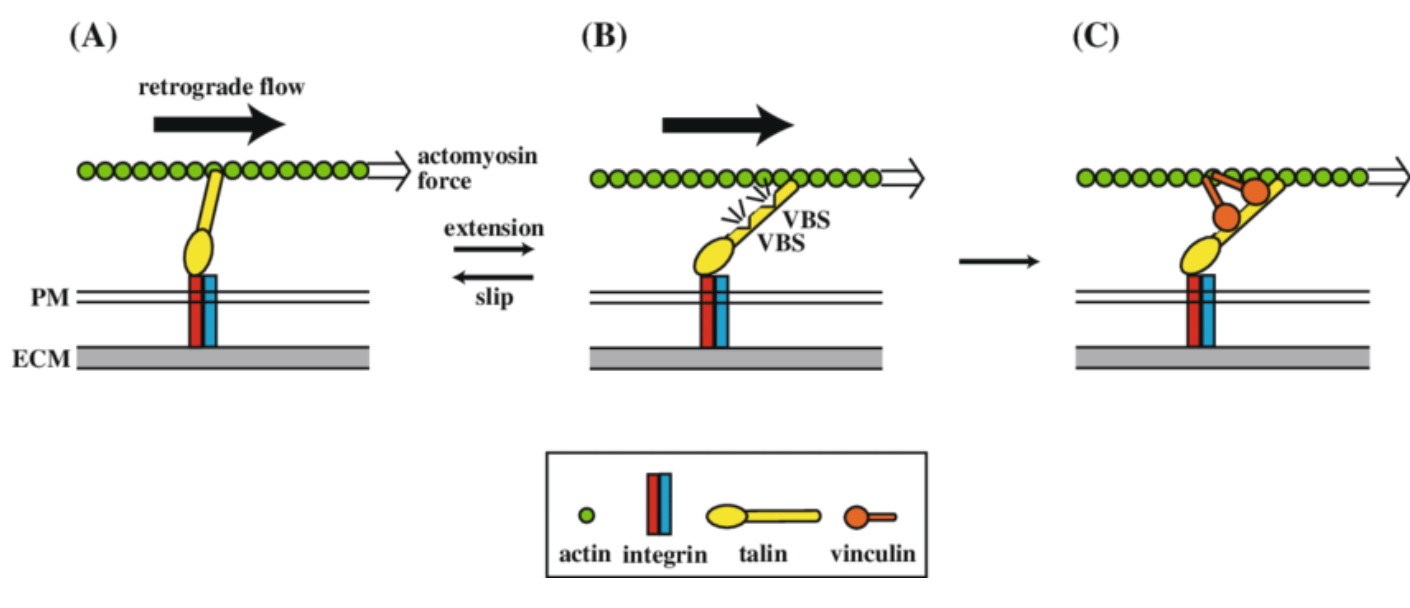
Image: Non-channel mechanosensors working at focal adhesion-stress fiber complex – Scientific Figure on ResearchGate. Available from: https://www.researchgate.net/figure/A-model-for-force-dependent-regulation-of-the-talin-vinculin-binding-at-FAs-and-anchoring_fig2_263433124 [accessed 22 Jun, 2023]
What can you do for tight muscles, especially in the shoulders and back? Poor posture can be a cause (forward head posture) Use better sitting posture Consult a PT (Moench method) Pettibon Chiropractor for exersizes and therapies to improve posture Personal trainer can give you …
Dr Mark Houston: Neo40 nitric oxide booster, arterocil is a glycocalix builder, whey protein, and CoQ10, mag chelates. In the last few years, I’ve talked to a few people who had elevated blood pressure, with an unknown cause. Typically, we think of high blood pressure …







 poisioning (gastroenteritis). Certain bacteria produce a toxin called Cytolethal distending Toxin. (CtDT). The immune system reacts to this CtDT toxin, and the antibodies cross react with Vinculin, which is a structure in your small intestines. So this could also be called “Post Infectious IBS”. If there’s not proper motility of the cells lining the small intestine, this will often lead to SIBO, or small intestinal bacterial overgrowth. That could lead to bloating, diarrhea, etc.